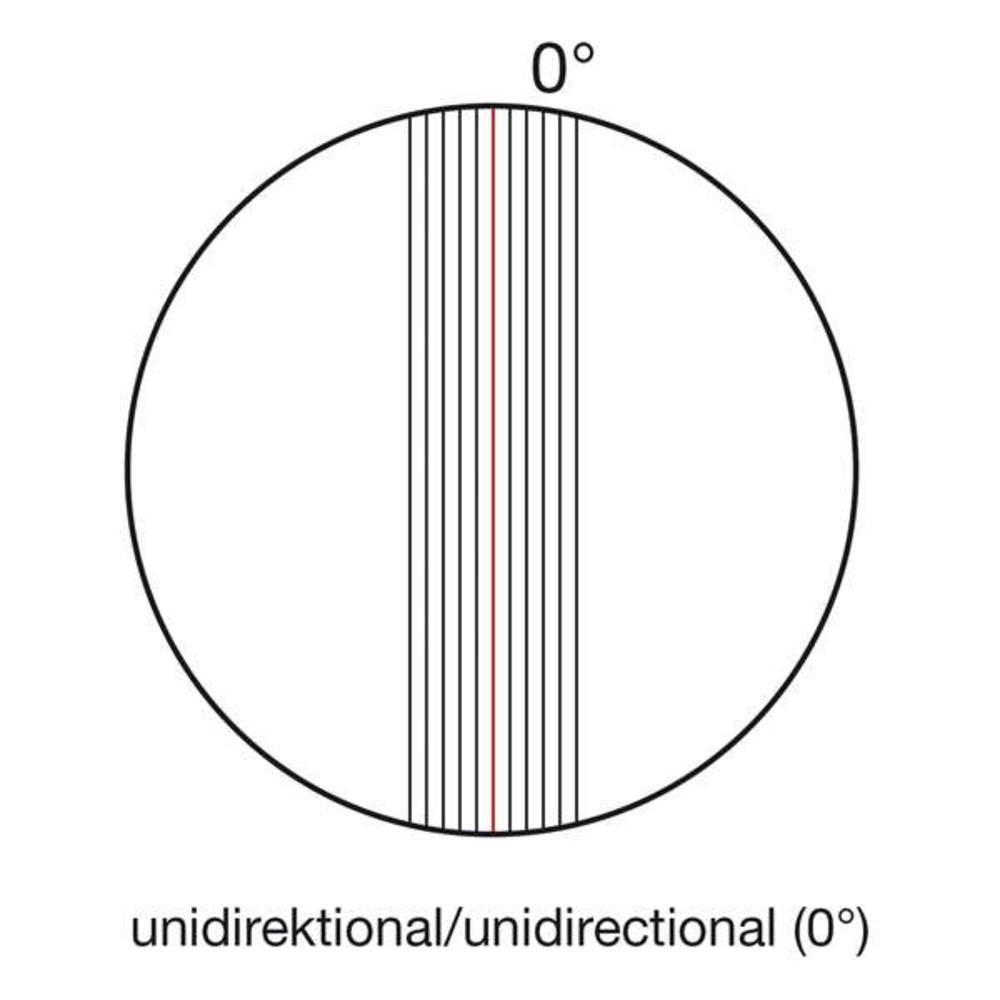
Unidirectional carbon non-crimp fabric with an areal weight of 300 g/m² for targeted reinforcement in the fibre direction.
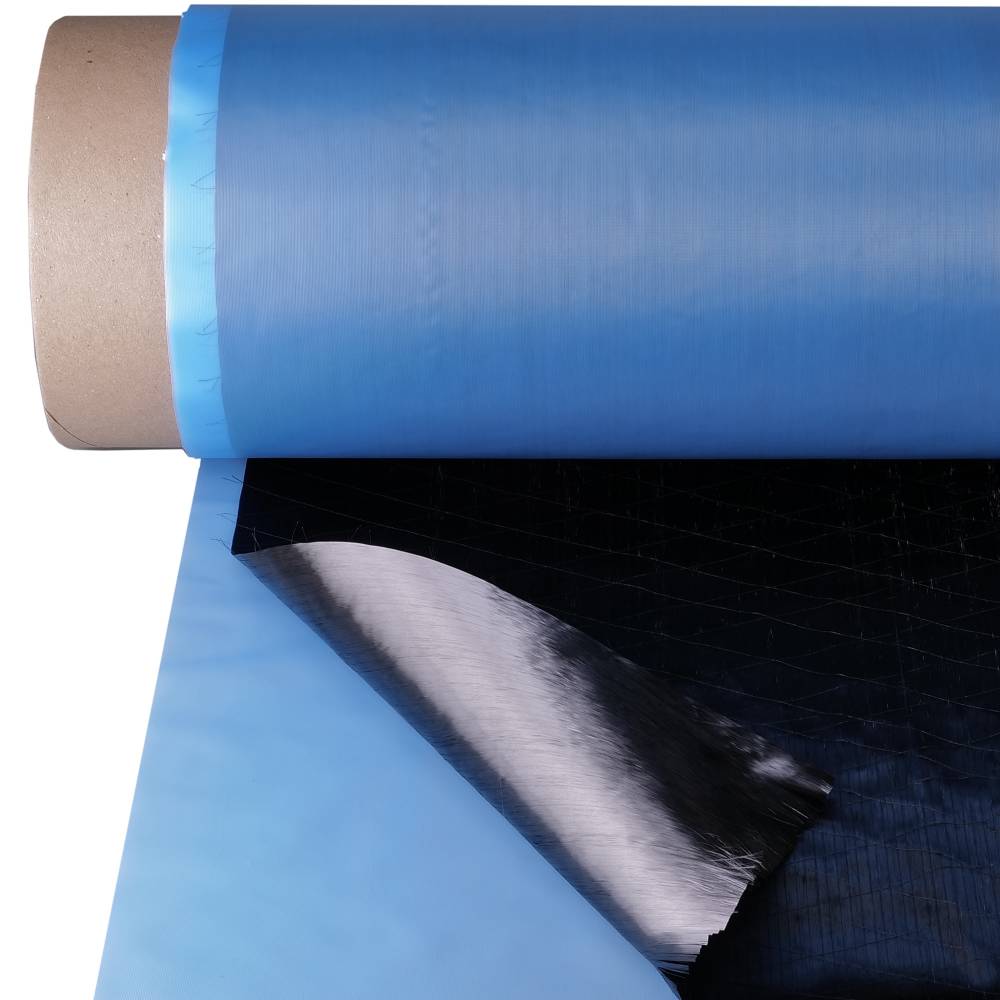
In the UNIDRY® UD reinforcement, the ZOLTEK™ PX35 50k carbon filaments run parallel in one direction. Very lightweight polyester scrims on both sides stabilise the fibre layer and facilitate cutting, handling and positioning. Particularly suitable for components subjected to bending loads, sandwich structures and technical CFRP components with a defined principal load direction.
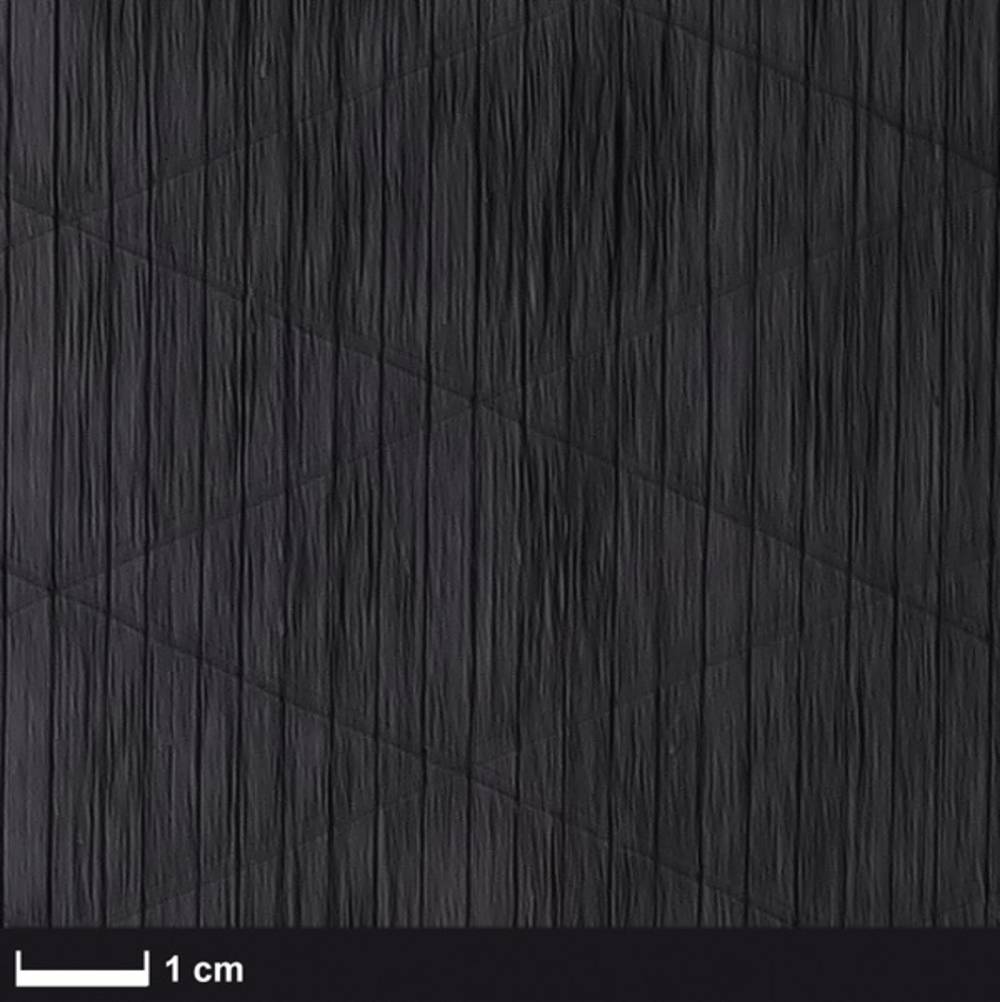
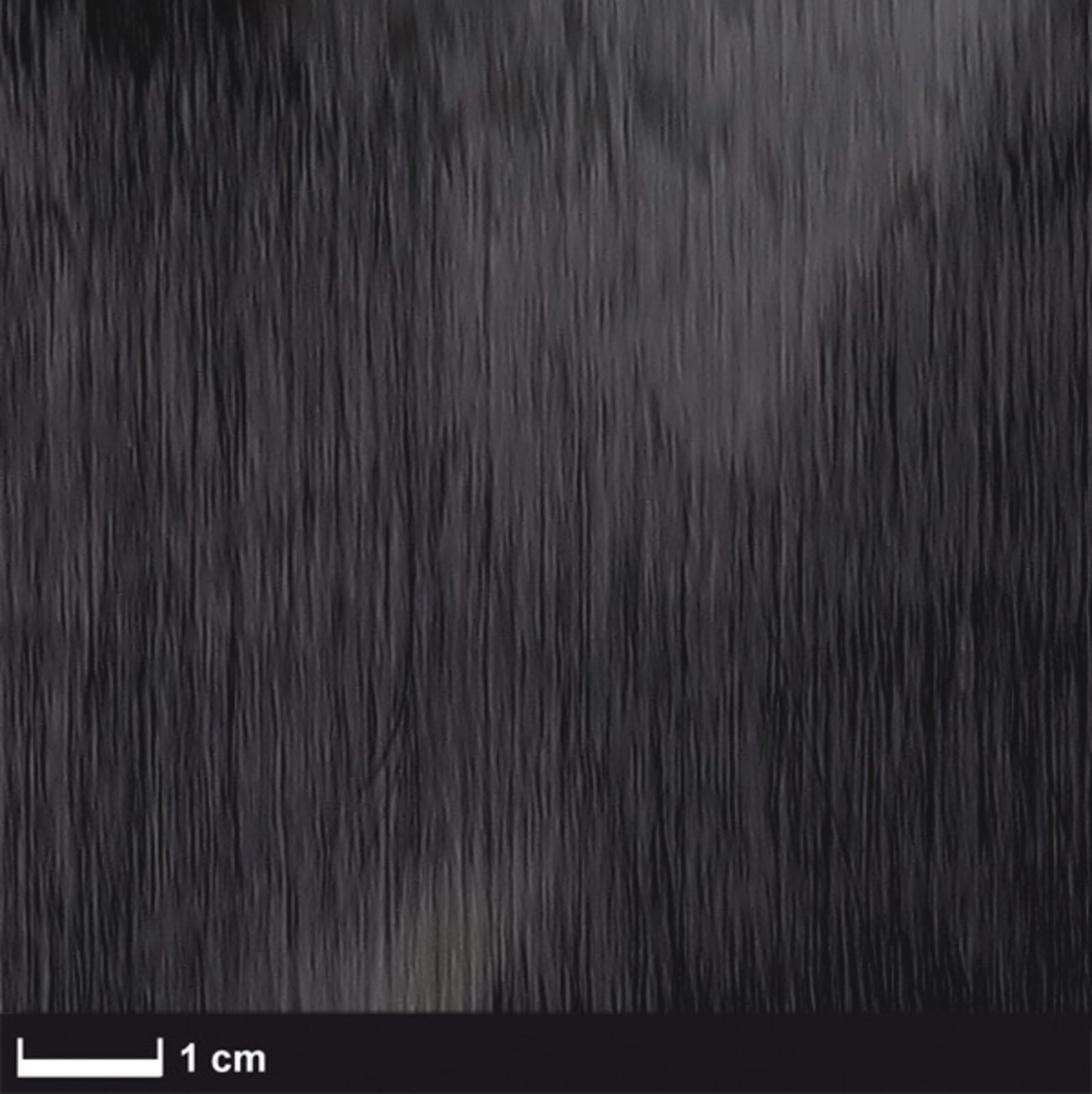
The UNIDRY® carbon non-crimp fabric consists of unidirectionally aligned ZOLTEK™ PX35 50k carbon fibres. Unlike a conventional woven carbon fabric, the load-bearing fibres are not interlaced but run parallel in one direction. This provides a clearly defined principal reinforcement direction, allowing the carbon fibres to be aligned with the load path of the component.
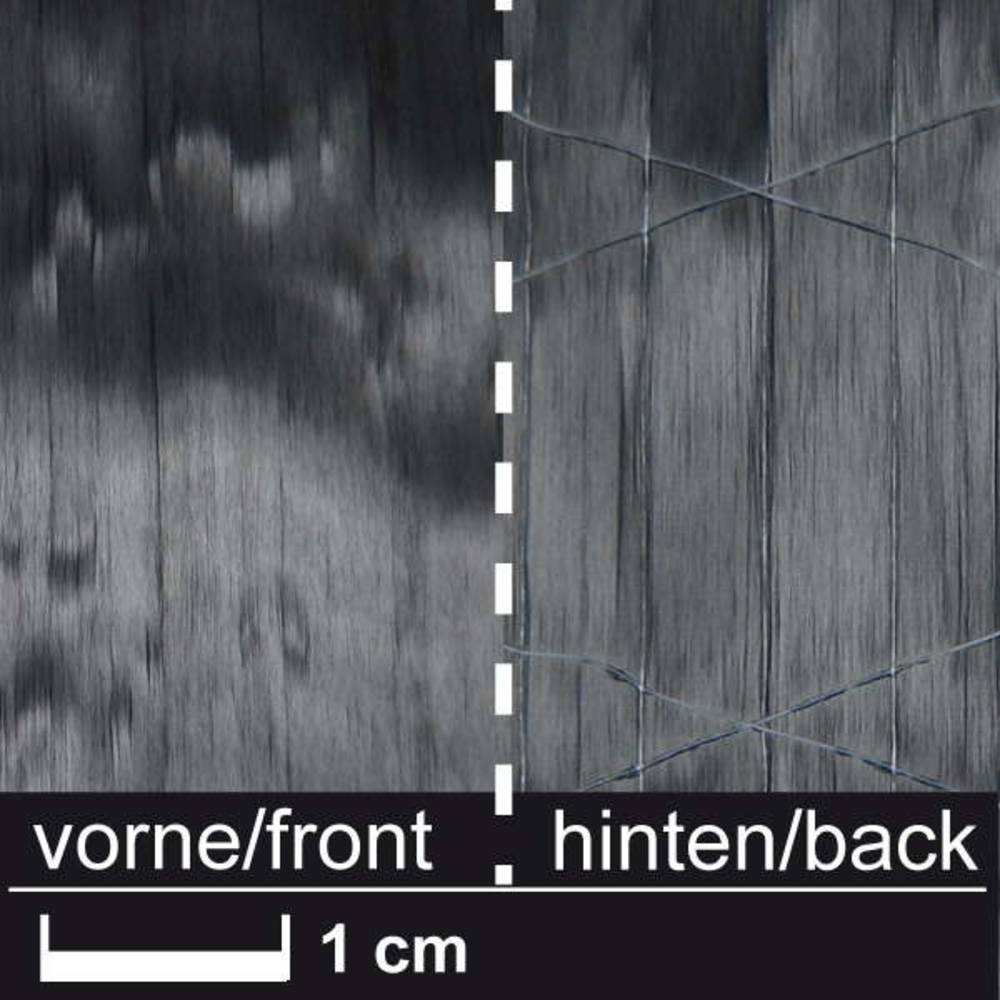
The UD fibre layer is stabilised by polyester scrims on both sides. The very fine 76 dtex retaining yarns hold the parallel carbon filaments in position and reduce fibre displacement or separation during cutting, handling and lamination. The scrims serve to stabilise the dry reinforcement and should not be regarded as load-bearing transverse fibre layers.
For this 300 g/m² reinforcement, stabilisation on both sides is particularly beneficial for handling stability. The relatively substantial UD fibre layer is supported from both surfaces, helping to maintain fibre alignment during cutting and positioning.
| Produit | UNIDRY® Carbon Non-Crimp Fabric (UD) |
| Fibre | ZOLTEK™ PX35 |
| Fibre tow size | 50k |
| Fibre orientation | Unidirectional (UD) |
| Areal weight | 300 g/m² |
| Stabilisation | Polyester scrim, both sides |
| Retaining yarn | 76 dtex |
| Retaining scrim | 3.5 g/m², both sides |
| Width | 50 cm |
Fibre Properties
| Tensile strength | 4,137 MPa |
| Tensile modulus | 242 GPa |
| Elongation at break | 1.5 % |
| Density | 1.81 g/cm³ |
| Filament diameter | 7.2 µm |
Benefits of the UD Reinforcement
Straight fibre alignment
The carbon filaments run parallel and are not deflected at yarn crossovers as they would be in a woven fabric. The material is therefore suitable for laminate lay-ups where the reinforcing fibres are to be aligned specifically along a defined principal load direction.
Fibre layer stabilised on both sides
The fine polyester scrims retain the carbon fibres on both surfaces. For the 300 g/m² UD reinforcement in particular, this improves stability during cutting, transport and lay-up and reduces unintended displacement of the parallel filaments.
No weave-induced fibre crimp
As there are no interlaced warp and weft yarns, the load-bearing carbon fibres are not subject to the crimp caused by a woven construction. This is particularly advantageous for directionally reinforced structural laminates.
Uniform laminate build-up
The uniform fibre distribution supports reproducible laminate lay-ups and facilitates the combination of multiple UD plies in defined fibre directions.
Applications
The UD carbon reinforcement is suitable for components where the carbon fibres need to be aligned specifically with a principal load direction. In components subjected to bending loads, for example, UD plies can be oriented according to the resulting tensile and compressive stresses.
Typical applications:
- CFRP components subjected to bending loads
- Spars and longitudinally reinforced structures
- Sandwich components with directionally reinforced facing plies
- Technical structural components with a defined principal load direction
- Local reinforcement
- Model construction
- Laminates with targeted fibre orientation
Suitable Resin Systems
Suitable epoxy resin systems are recommended for structural CFRP laminates. Due to the closely packed parallel carbon filaments, complete wet-out of the fibre layer must be ensured. Low-viscosity laminating resins can facilitate wet-out and impregnation.
The polyester scrims on both sides remain within the laminate during processing. The resin must fully impregnate the carbon fibre layer, including the areas containing the retaining scrims.
Calculated Data for Hand Lay-Up Laminates with 45 Vol.-% Fibre Content
| Resin consumption | 238 g/m² |
| Laminate thickness | 0.38 mm |
| Laminate weight | 538 g/m² |
Benefits of the 50 cm Width
The 50 cm width is easy to handle for narrow and medium-sized components as well as for directional reinforcement zones. It provides flexible cutting options and can reduce material waste compared with significantly wider UD reinforcements when used for spars, profiles, sandwich components and local reinforcement.
Technical Notes
Load direction
The reinforcing effect is primarily in the direction of the parallel carbon fibres. The polyester scrims must not be considered as load-bearing transverse reinforcement. For components subjected to multiaxial loading, additional reinforcement plies must be provided in the required fibre directions.
Scrims on both sides
The 300 g/m² version has a retaining scrim on both surfaces. The double-sided stabilisation supports the relatively thick UD fibre layer and reduces loosening or displacement of carbon filaments during handling, cutting and processing.
Sandwich construction
In sandwich components, the UD reinforcement can be used for targeted reinforcement of the facing plies in the principal load direction. The required laminate lay-up depends on the core material, component geometry and mechanical loading.









 MSDS Carbon fabrics (all) (PDF)